Software architecture is often described as a discipline of experience. You design systems, learn from the consequences, and gradually become better.
The problem is that in reality, architects get very few chances to practice.
Most architects design a handful of systems over many years. Between major architecture decisions, they spend months operating, maintaining, or incrementally evolving existing systems (which is also very important). Feedback loops are slow, and opportunities to challenge one's thinking are rare.
This is where Architectural Kata become extremely valuable.
But before explaining why, it's worth addressing two uncomfortable truths about the architecture profession.
Two Problems Many Architects Struggle With
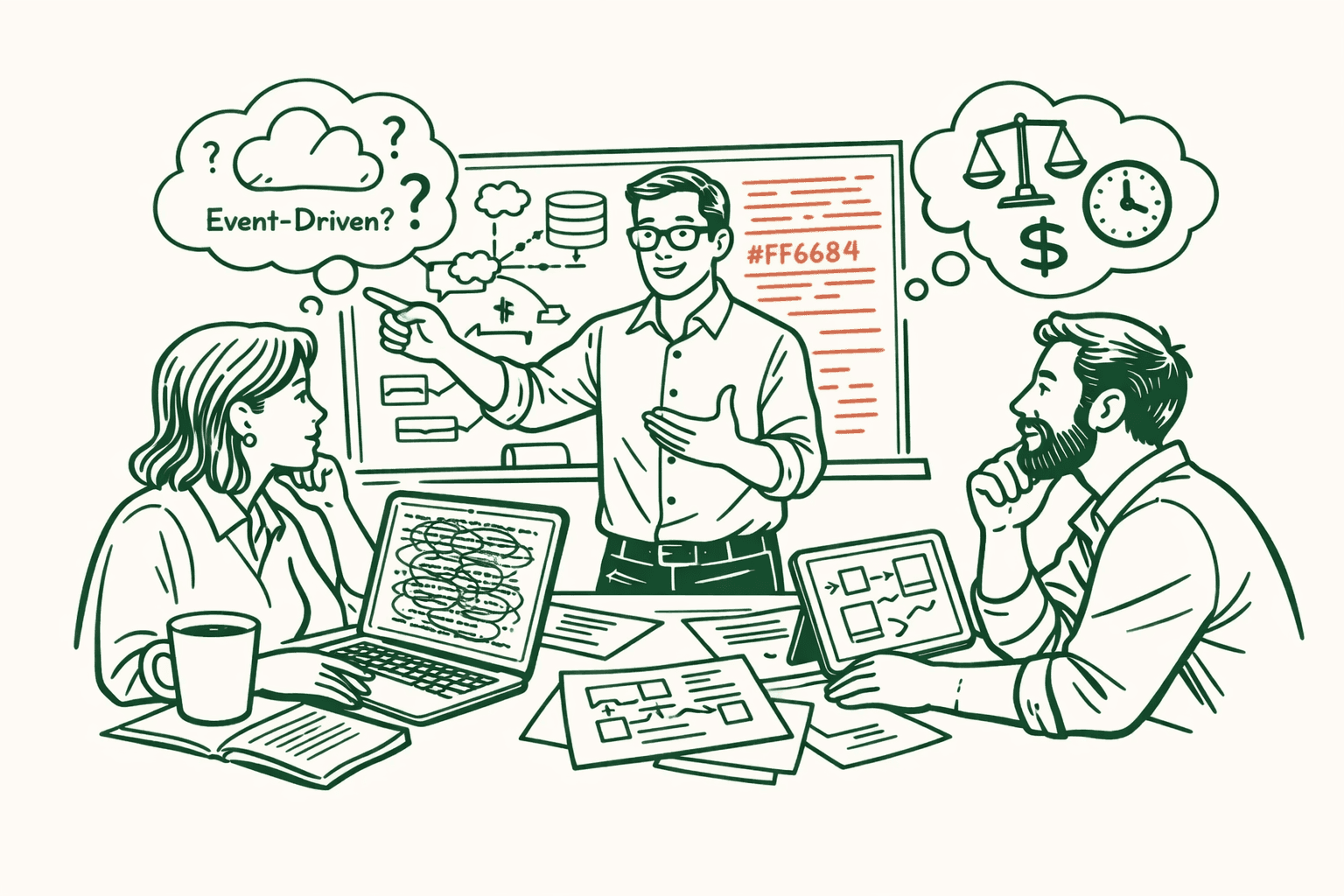
Architects Are Often Bad at Pitching Their Ideas
Many architects are excellent engineers but very weak communicators.
They can design sophisticated systems, reason about distributed architectures, and discuss advanced patterns but when it comes to explaining their ideas to non-technical stakeholders, something breaks.
Common symptoms include:
- overly technical explanations
- diagrams that make sense only to engineers
- inability to explain why a decision matters to the business
- difficulty defending decisions in front of product, management, or finance
In reality, architecture only exists if people understand and accept it.
An architecture that cannot be explained clearly is unlikely to survive real organizational dynamics.
This is why communication is not a "soft skill" for architects.
It is a core architectural skill.
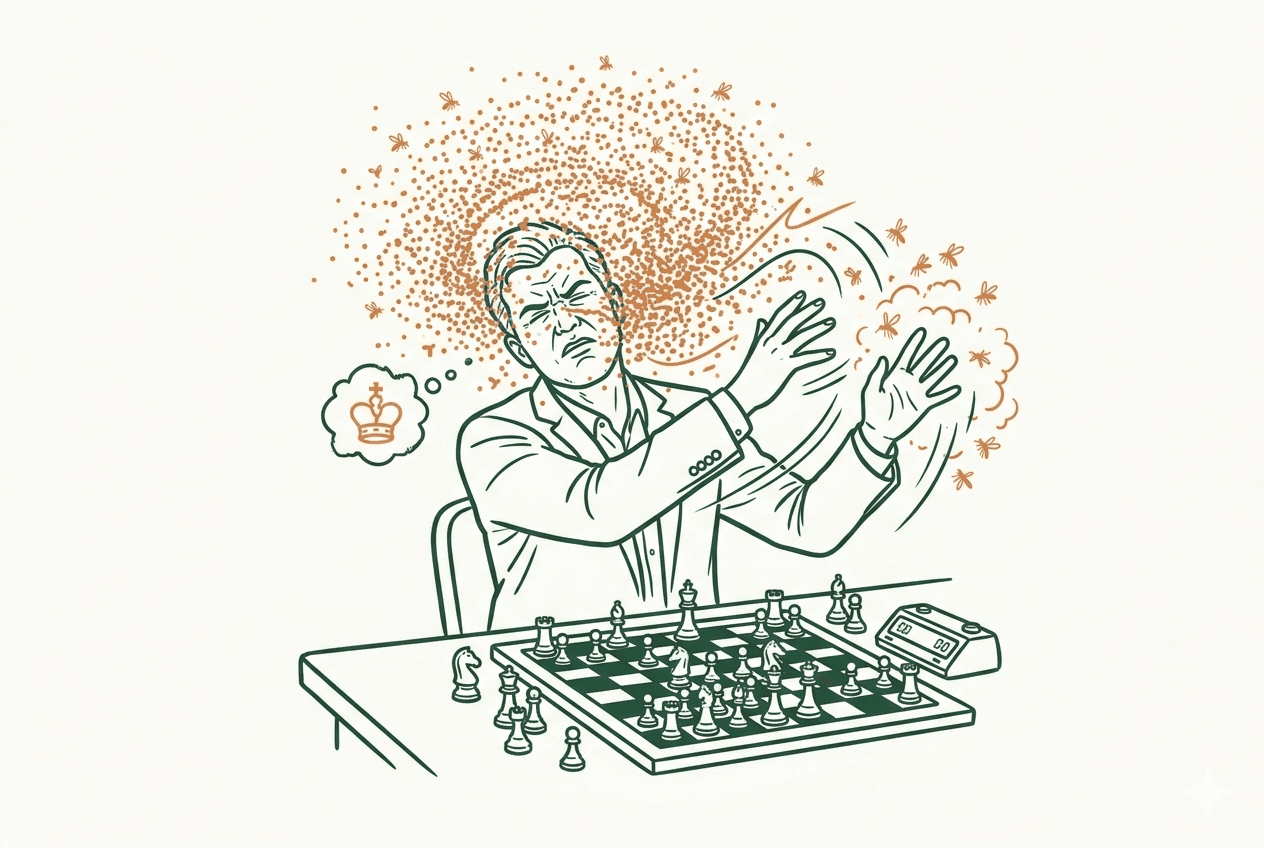
Architects Often Work Alone
Another structural problem is that architectural work is often done in isolation.
Many organizations have:
- One architect per project
- One architect per platform
- One architect per department
This creates a situation where architects make decisions without a strong peer environment to challenge them.
Without confrontation of ideas, several things happen:
- assumptions go untested
- biases remain invisible
- architectural blind spots persist
- solutions become shaped by personal preference rather than critical discussion
Architectural thinking improves dramatically when exposed to different perspectives.
And yet in day-to-day work most architects rarely get that opportunity.
What Architectural Kata Actually Are
Architectural Kata are structured exercises where architects design a system based on a fictional but realistic scenario.
Typically, a kata involves:
- a business problem description
- functional and non-functional requirements
- constraints and risks
- limited time to design a solution
Participants then:
- analyze the problem
- ask clarification questions
- propose an architecture
- present and defend their decisions
Often, multiple architects or teams work on the same problem, which allows comparing very different approaches.
The real value of Kata is not producing the right architecture, but thinking about trade-offs and discussing solutions.
Architectural Kata create an environment where architects can:
- practice designing systems
- test their assumptions
- defend their reasoning
- learn from alternative approaches
In other words they create something architects rarely get in real projects.
Architecture Is a Skill That Requires Practice
In many disciplines practice is obvious. Musicians practice scales. Athletes train daily. Developers practice coding through coding katas.
But architects often assume that architecture skill grows automatically with experience. Of course, it is not true.
Many architects design surprisingly few systems throughout their careers. They might spend years evolving one platform, maintaining one architecture, or managing one product ecosystem.
Architectural Kata solve this problem by compressing architectural experience.
Instead of designing one system every few years, architects can explore dozens of architectures across different domains.
Architecture Is About Trade-offs, Not Technology
Another misconception is that architecture is primarily about choosing technologies.
In practice architecture is about making trade-offs under constraints.
Every decision balances competing forces:
- scalability vs cost
- flexibility vs delivery speed
- reliability vs operational complexity
- innovation vs stability
Good architecture rarely emerges from finding the perfect technology.
It emerges from understanding the problem deeply and making conscious compromises.
Architectural Kata force architects to think explicitly about those compromises.
The Five Muscles Every Architect Must Train
Architectural thinking is not one skill. It is a combination of several cognitive abilities that must be trained deliberately.
Architectural Kata helps develop five particularly important muscles.
Problem Framing
The most important architectural skill is not system design.
It is about understanding the problem correctly. Many architectural failures originate from incorrect assumptions about:
- the domain
- user behavior
- scale expectations
- business priorities
Good architects spend significant time asking questions such as:
- What is the real problem we are solving?
- What constraints exist?
- What assumptions are we making?
- What benefits does the designed solution give to the business?
Architectural Kata intentionally starts with incomplete information, forcing participants to clarify the problem before proposing solutions.
Trade-off Decision Making
Architecture is a continuous sequence of decisions. Each decision carries consequences.
A distributed architecture may increase scalability but introduce operational complexity. A modular monolith may accelerate development but limit independent scaling.
The key is not finding perfect solutions. The key is making explicit, well-reasoned trade-offs.
Architectural Kata expose architects to multiple design approaches for the same problem, helping them understand that:
- there is rarely one correct architecture
- the quality of decisions depends on context
System Thinking
Architects must think beyond individual components. They must understand how the entire system behaves.
Systems thinking involves reasoning about:
- data flows
- integration boundaries
- failure propagation
- operational behavior
- organizational constraints
Architectural Kata encourages participants to think about the whole system ecosystem, not just isolated services.
Communication
Architecture only becomes real when it is communicated effectively.
Architects must explain their designs to:
- developers
- product managers
- executives
- operations teams
- security specialists
Clear communication requires:
- structured thinking
- concise explanations
- meaningful diagrams
- the ability to defend decisions
Kata exercises often include presentations where architects must justify their design choices.
This makes communication an integral part of the exercise.
Risk Anticipation
Good architects do not only design systems. They anticipate problems.
Architectural risk thinking involves identifying:
- scaling bottlenecks
- operational risks
- integration fragility
- data consistency challenges
- organizational constraints
Architectural Kata help develop the habit of asking an important question.
What could go wrong with this architecture?
The Value of Architectural Confrontation
One of the most powerful aspects of Architectural Kata is that multiple architects solve the same problem independently.
When solutions are compared, several interesting things happen.
Architects discover:
- different interpretations of the same requirements
- alternative system boundaries
- different prioritization of constraints
- completely different architectural styles
These discussions often reveal hidden assumptions.
This is extremely valuable because architecture improves through confrontation of ideas.
Without that confrontation architecture can easily become an exercise in personal preference.
Architecture Needs a Practice Culture
Software engineering has built strong cultures around practice:
- code reviews
- coding katas
- technical workshops
- open source collaboration
Architectural Kata is one of the rare formats that creates a practice culture for architecture.
They allow architects to:
- practice designing systems
- experiment with different approaches
- receive immediate feedback
- learn from peers
And perhaps most importantly, they remind us that architecture is not just experience.
Stay in the loop
Get the latest AI & tech insights delivered straight to your inbox.
.png&w=3840&q=75)
Stay in the loop
Get the latest AI & tech insights delivered straight to your inbox.