.png&w=3840&q=75)
Featured Adrian Oleszczak·
Adrian OleszczakThe Claude subscription mess, explained
Anthropic just split Claude subscriptions in two, and if you build on top of the SDK, your costs are about to change.
Read article

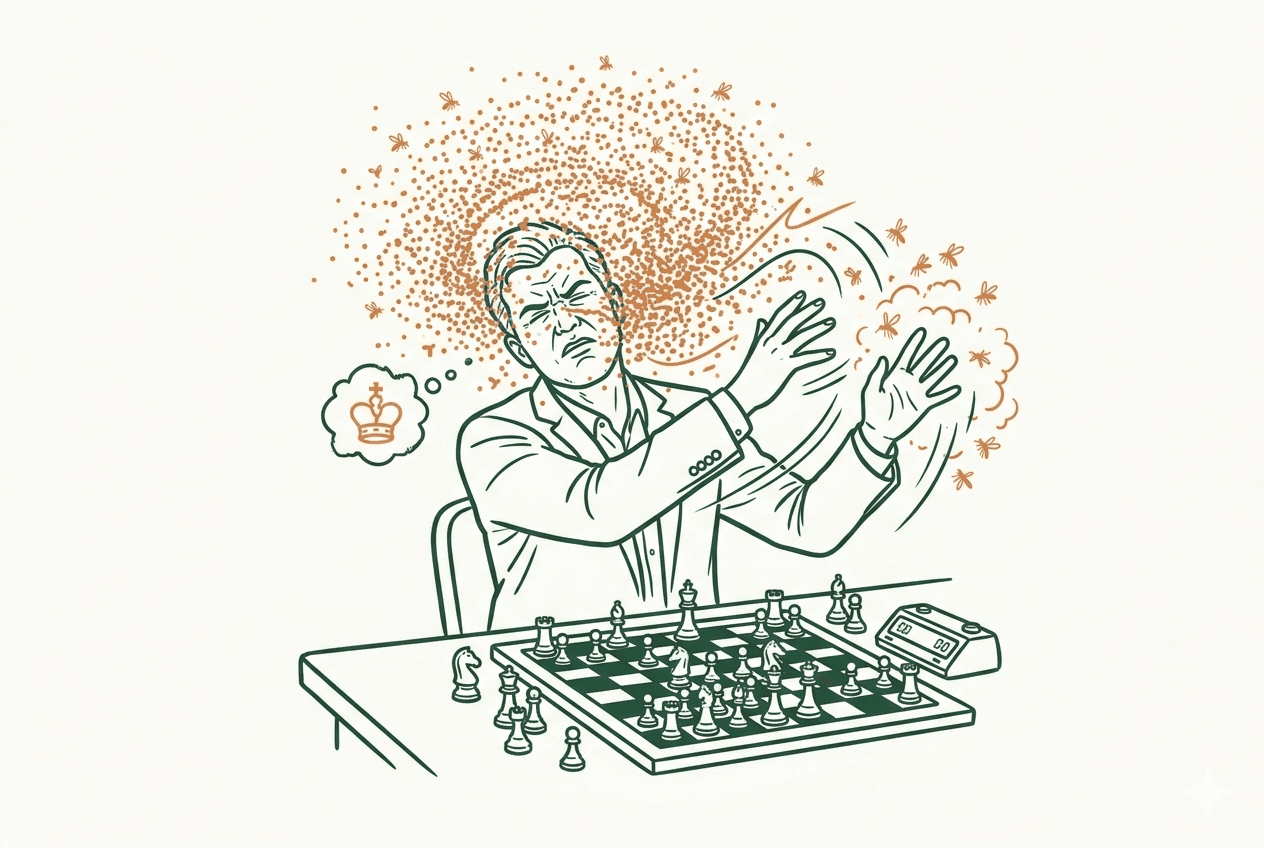
Scaling fails because of volume, not complexity. Discover how AI workflows can handle repetitive operational noise, eliminate the "human shield" layer, and protect your roadmap.
 Pawel Bazyluk
Most architects rarely get the chance to truly practice architecture. They often work alone, receive feedback months later, and struggle to clearly explain their ideas to non-technical stakeholders. Architectural Kata create a safe environment to train the core muscles of architecture: problem framing, trade-off decisions, system thinking, communication, and risk anticipation.
 Piotr Filipowicz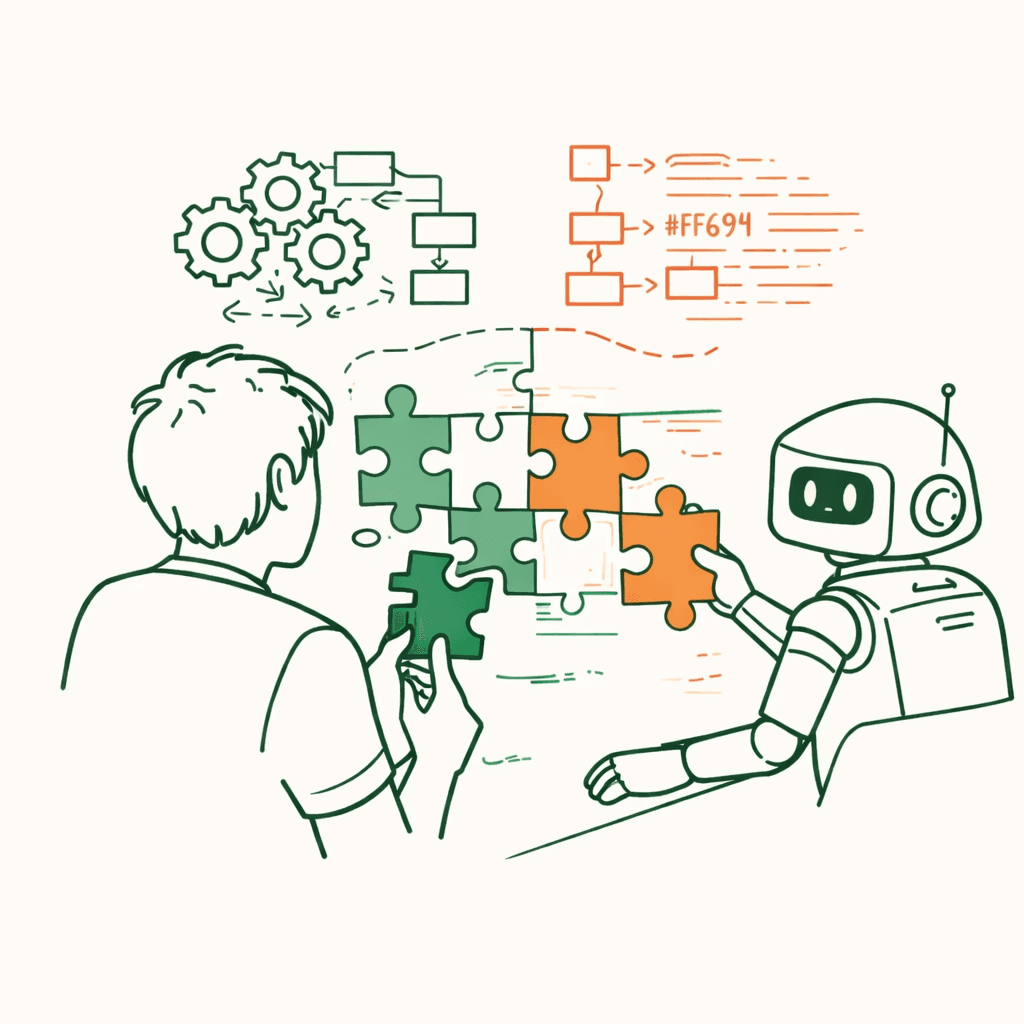
Team Topologies was designed to reduce cognitive load for human teams. But what happens when some of your team members are AI agents? If we don’t define clear boundaries, structure, and ownership, agents won’t fix the chaos. They will simply scale it.
Piotr Filipowicz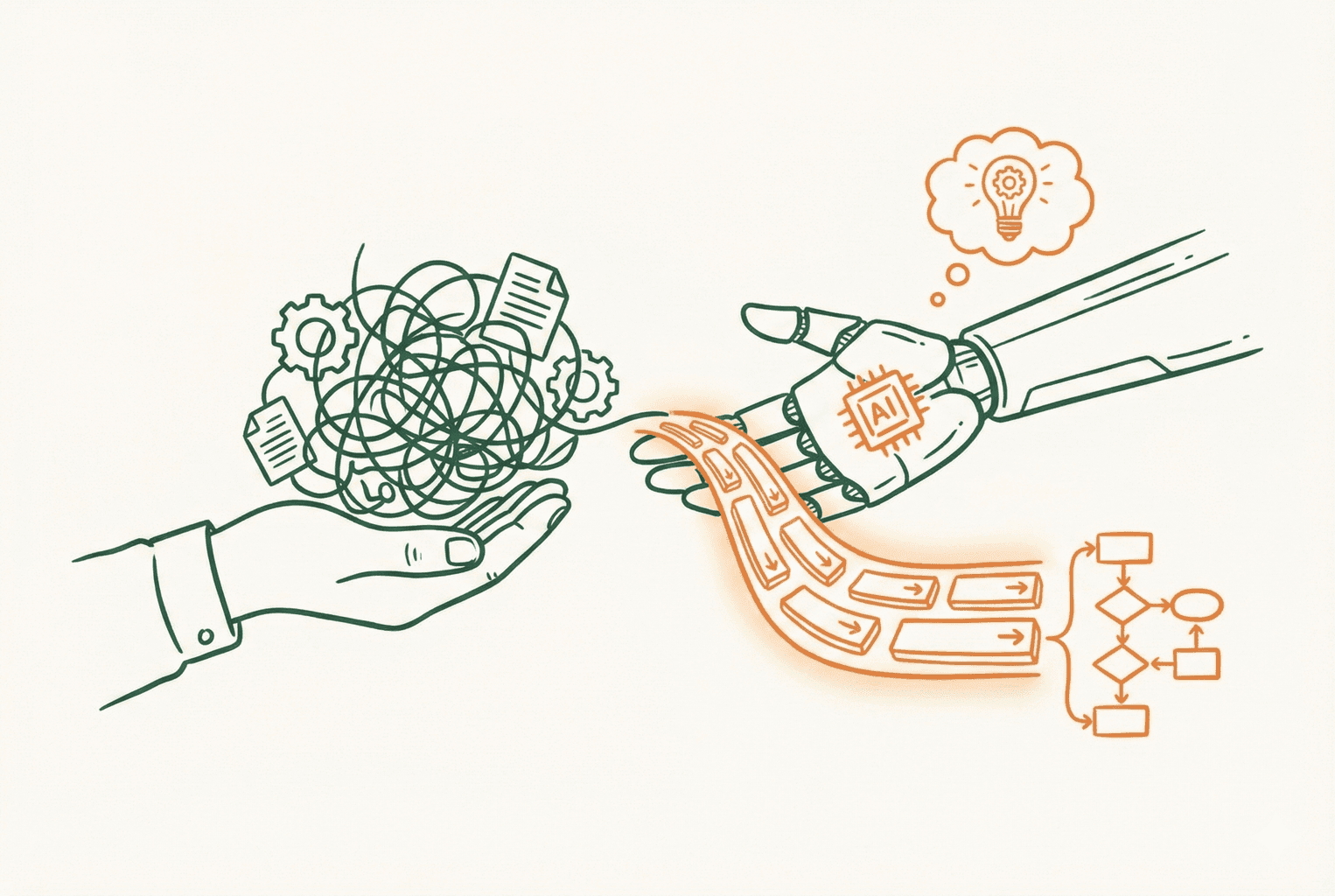
You hired your team for their strategy, not to act like tired robots. Learn about AI workflows and how they take over repeatable processes, eliminate costly errors, and free your best minds to do the work that actually grows your business.
Pawel Bazyluk
In an AI-augmented world, architecture decisions can no longer be just documentation for humans. When coding agents operate inside a single repository while architecture spans an entire ecosystem, ADRs must become layered, structured, and machine-consumable. This article outlines a practical model to keep local teams, cross-repo systems, and enterprise constraints aligned for both humans and AI.
Piotr Filipowicz
The article uses the Pottery Class Paradox to show that quality often emerges from repetition, feedback, and iteration rather than from chasing perfection upfront. It connects this idea to evolutionary architecture, where systems are designed to support continuous, guided change protected by fitness functions.
Piotr FilipowiczWe use cookies to analyze site traffic. Learn more