The end of the manual grind: AI workflows are the ultimate human upgrade

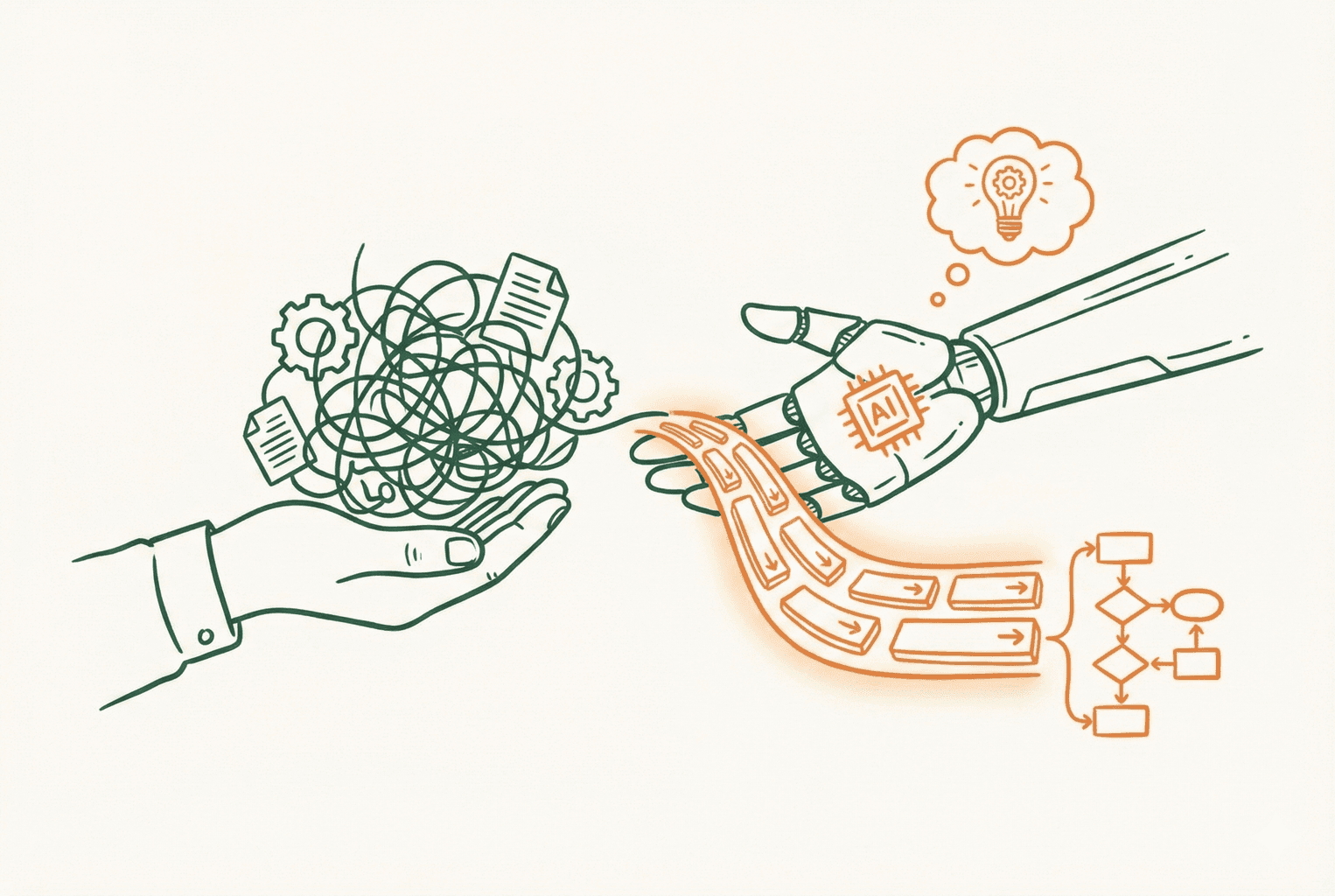
I recently sat down with a 30-person team that was completely burning out. Their job was to build custom pitch decks. Instead of strategizing, they spent the majority of their week manually researching company data, chasing down information from distributed teams, and pasting it all into a common knowledge source. Only then could they start building the actual slides.
Here is the problem: the slide deck was just a conversation starter. Their actual value to the company was their creativity and their ability to establish a real connection with the customer. We were paying for human ingenuity, but forcing them to do mundane, robotic data collection.
The limits of human processing
Humans are built for context, creativity, and handling the unexpected. We are notoriously bad at staring at thousands of rows of data. It isn't a lack of skill; it's a biological limit.
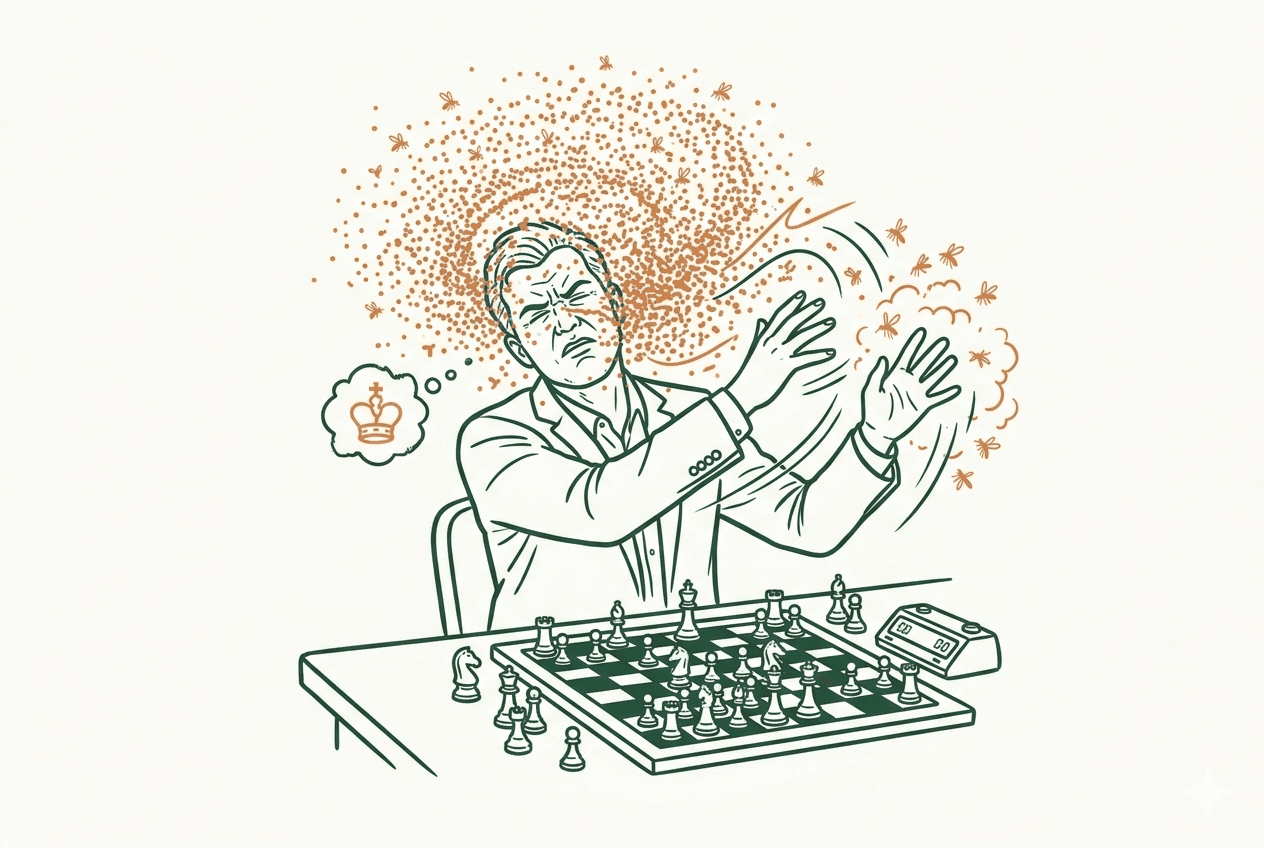
Research by Dr. Raymond Panko on human error rates in manual data tasks shows that even in simple data entry, human accuracy peaks around 95%. As the complexity of the data increases, the probability of a processing error rises to virtually 100%. We get tired. We miss anomalies in the firehose of information. We burn out.
When you force your team to manage repeatable, high-volume tasks, you bottleneck your own growth. This is exactly where AI automation and AI workflows change the math.
What is an AI workflow, really?
Forget the sci-fi definitions. An AI workflow is simply a mapped-out business process where artificial intelligence handles the data processing, decision routing, and repetitive execution.
It acts as the connective tissue between your isolated systems. Instead of a human manually pulling a report, formatting it, and emailing it to a manager, the workflow does it silently in the background. It takes an input—like massive sales datasets, inventory alerts, or raw company research—analyzes it instantly, categorizes the information, and triggers the exact right next step without human intervention.
It doesn't just move data from point A to point B. It understands the context of that data and acts on it based on your predefined rules.
Why this takes your business to the next level
Integrating AI workflows into your daily operations solves multiple problems simultaneously:
- Relentless scale and precision: An automated workflow processes 10,000 transactions just as fast as it processes 10. It never sleeps, and it catches the deep data insights that a tired human eye will always miss.
- The human upgrade: When you strip away the manual tasks, you give your team their time back. Your team focuses on high-value customer interactions and strategy instead of maintaining the status quo.
- Zero-friction data unification: Workflows eliminate data silos. They pull, clean, and consolidate information from across distributed teams instantly, creating a single source of truth without requiring a human to play messenger.
- Cost reduction through error elimination: Every manual data error costs time and money to fix. By removing the human bottleneck in data entry, you effectively eliminate the costly rework cycles caused by natural attention fatigue.
Machines excel at volume and repetition. Humans excel at strategy and connection. Automation simply puts each player in their correct position.
The real challenge is the blueprint
Implementing the technology is not the hard part. The actual work happens before you deploy a single tool.
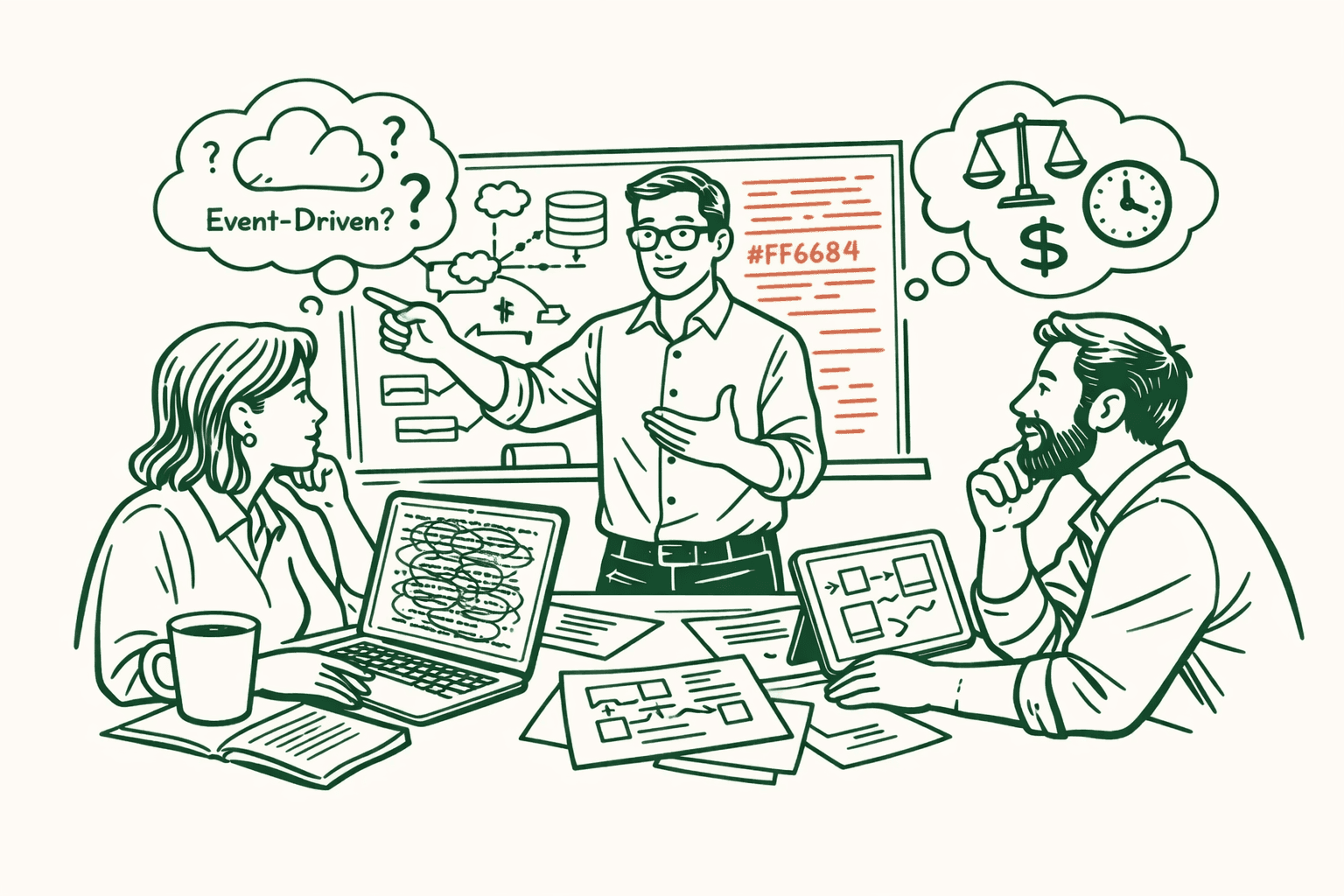
To build an effective workflow, you have to deeply understand the job it needs to do. This is what good systems architects have always done - mapping the process, identifying the dead ends, and defining the rules of execution.
Today, we use highly effective visual methods to break these operations down before we automate them:
- Event Storming: A rapid, collaborative workshop format. You map out every domain event on a timeline using color-coded sticky notes to build a shared understanding of the entire business process.
- Value Stream Mapping: A method to analyze the exact flow of information and actions from start to finish. It highlights exactly where time is wasted and where real value is generated.
- Process Mapping (Swimlanes): A visual breakdown detailing exactly who does what, and when. It exposes the bottlenecks and dependencies hidden across different departments.
The difference is what comes next. Now, we take those architectural findings, implement functional modules based on them, and enhance them with AI. We then let the AI run our processes for us. It operates continuously, scales effortlessly, and quite frankly, executes these processes much better than we were doing by hand for years.
How to start building
You do not need to invent new technology to get started. There are already powerful tools available that allow you to build workflows with very little code knowledge. Platforms like n8n allow you to connect thousands of apps visually, while the built-in toolsets in Claude or ChatGPT handle basic logic and text processing right out of the box.
However, off-the-shelf tools have limits. When your processes involve sensitive intellectual property, custom logic, or deep legacy system connections, you need a custom implementation. Custom AI workflows can be specifically tailored to your needs. More importantly, they can be hosted entirely on-premise. Your confidential data never touches the public Internet. You get the massive scale and speed of AI automation, with absolute control over your security and privacy.
Stay in the loop
Get the latest AI & tech insights delivered straight to your inbox.
.png&w=3840&q=75)
Stay in the loop
Get the latest AI & tech insights delivered straight to your inbox.